manual garage door lock kit

manual garage door lock kit
Manual Garage Door Lock Kit: A Comprehensive Guide
Navigating garage security demands understanding lock options; kits offer enhanced protection against unauthorized access, especially crucial for detached structures exceeding 1,000 square feet․
Understanding the Need for a Manual Lock
While modern garage door openers offer convenience, they aren’t foolproof against determined intruders․ A manual lock provides a crucial secondary layer of security, acting as a deterrent and physical barrier․ Detached garages, particularly those exceeding 1,000 square feet and classified as public garages under code, necessitate robust security measures due to increased vulnerability․
Furthermore, electrical disconnects located within the garage require protection, and a manual lock contributes to overall property safety․ Considering frost protection for slab floors and adherence to fire safety regulations, especially when adjacent to a dwelling, underscores the importance of a reliable locking mechanism․ Manual locks offer peace of mind, supplementing electronic systems․
Benefits of a Manual Garage Door Lock Kit
Manual garage door lock kits deliver significant advantages beyond standard opener security․ They offer a visible deterrent, discouraging potential break-ins, particularly vital for larger garages exceeding 1,000 square feet classified as public spaces․ These kits provide a physical barrier, resisting forced entry attempts, and offer control independent of electrical systems, safeguarding against power outages or opener malfunctions․
Moreover, they enhance peace of mind, especially concerning detached structures and electrical disconnect locations․ Compliance with building codes, including fire barrier requirements between garages and dwellings, is supported by a secure locking system․ They are a cost-effective security upgrade․
Types of Manual Garage Door Lock Kits Available
Several types of manual garage door lock kits cater to diverse security needs and door construction․ Deadbolt style kits offer robust, key-operated locking, providing high security․ Slide bolt kits are simpler, securing the door with a sliding mechanism, suitable for basic reinforcement․ Keyed knob lock kits combine convenience with security, featuring a knob with an integrated key cylinder․
Material choices, like steel versus aluminum, impact durability and corrosion resistance․ Compatibility varies based on garage door type – steel, wood, or aluminum – requiring careful selection to ensure proper function and secure installation․
Deadbolt Style Lock Kits
Deadbolt kits represent a premier security option for garage doors, employing a robust locking mechanism resistant to forced entry․ These kits typically feature a hardened steel bolt extending deep into the door frame, demanding significant effort to compromise․ Keyed operation provides controlled access, and many kits include bump-resistant cylinders for enhanced protection․
Installation usually involves drilling to accommodate the bolt and strike plate․ Consider the lock body material – steel offers superior strength, while aluminum provides lighter weight and corrosion resistance․ Proper alignment is crucial for smooth operation․
Slide Bolt Lock Kits

Slide bolt locks offer a simpler, often more affordable, security solution for garage doors․ These kits consist of a bolt that slides horizontally across the door’s interior, engaging with a receiving bracket mounted on the door frame․ While less resistant to forced entry than deadbolts, they provide a visible deterrent and basic security․
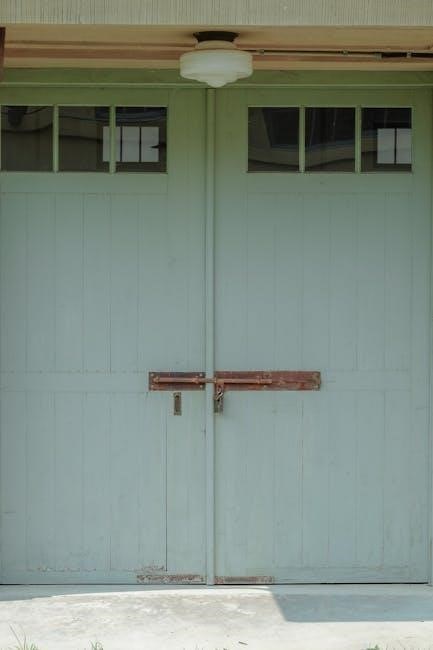
Installation is generally straightforward, requiring minimal drilling․ Ensure the bracket is securely fastened to a solid portion of the door frame․ Consider the bolt’s throw length – a longer throw provides greater security․ These are suitable for situations needing quick, temporary locking․
Keyed Knob Lock Kits
Keyed knob lock kits present a convenient locking mechanism resembling those found on residential doors․ They integrate a keyed cylinder with a rotating knob, offering both key-operated and manual locking capabilities․ These kits are relatively easy to install, typically utilizing existing door openings, and provide a familiar operation for users․
However, the security level can vary significantly based on the lock’s construction quality․ Look for kits with robust materials and pick-resistant cylinders․ Consider the knob’s design; a larger knob is easier to grip․ These are best suited for supplemental security, not as a primary defense․

Compatibility with Garage Door Types
Ensuring compatibility is vital when selecting a manual lock kit․ Steel garage doors, the most common type, generally accommodate most kits with minimal modification․ Wooden doors may require adjustments due to varying thicknesses and potential for splitting during installation; pre-drilling is crucial․
Aluminum doors present unique challenges; the softer metal can be easily damaged․ Kits designed specifically for aluminum, or those with wider mounting plates to distribute pressure, are recommended․ Always verify the kit’s specifications regarding door material suitability before purchase to avoid installation issues․
Steel Garage Doors
For steel garage doors, most manual lock kits offer straightforward installation due to the material’s durability and consistent thickness․ Generally, these doors readily accept both deadbolt and slide bolt styles without significant modification․ However, ensure the kit’s mounting hardware is appropriately sized for the steel gauge to prevent stripping or weakening the door panel․
Consider kits with robust steel components for enhanced resistance to forced entry․ Pre-drilling pilot holes is still advisable, even with steel, to facilitate easier screw insertion and maintain the door’s structural integrity․ Proper alignment is key for smooth lock operation․
Wooden Garage Doors
Installing a manual lock kit on wooden garage doors requires careful consideration of the wood type and its condition․ Softer woods may necessitate using larger mounting plates or specialized wood screws to ensure a secure hold․ Reinforcing the area around the lock with a backing plate is highly recommended to prevent damage to the wood over time․
Keyed knob lock kits can be particularly suitable, offering a blend of security and ease of use․ However, always pre-drill pilot holes to avoid splitting the wood; Regular inspection for wood rot or warping is crucial for maintaining lock functionality and overall door security․
Aluminum Garage Doors
Securing aluminum garage doors with manual lock kits presents unique challenges due to the material’s properties․ Aluminum’s relatively soft nature demands lock kits designed for metal doors, utilizing robust mounting hardware and potentially requiring reinforcement plates․ Consider deadbolt styles for enhanced security, ensuring the bolt extends deeply into the door frame․
Corrosion resistance is paramount with aluminum, so opt for lock kits with stainless steel or aluminum components․ Proper sealing around the lock installation points is vital to prevent moisture ingress and potential corrosion․ Regularly inspect the lock and surrounding aluminum for any signs of deterioration․
Installation Process: A Step-by-Step Guide

Begin by gathering necessary tools: drill, screwdriver, measuring tape, and the lock kit itself․ Carefully prepare the door surface, marking the lock’s position according to the kit’s instructions․ Drill pilot holes to prevent splitting, then securely mount the lock mechanism, ensuring proper alignment with the strike plate location on the door frame․
Test the lock’s functionality repeatedly, verifying smooth operation and secure engagement․ Adjust the strike plate if needed for optimal alignment․ Finally, inspect all screws and connections for tightness, guaranteeing a robust and reliable security addition to your garage door․
Tools Required for Installation
Essential tools for a successful manual garage door lock kit installation include a power drill with various bit sizes for pilot holes and screw driving․ A screwdriver set – both Phillips and flathead – is crucial for tightening components․ Accurate measurements demand a reliable measuring tape, while a pencil facilitates precise marking of drill points․
Additionally, a level ensures proper lock alignment, and safety glasses protect your eyes from debris․ A wrench set might be needed for certain lock types․ Consider having a hammer for gently tapping components into place, completing your toolkit for a secure installation․
Preparing the Garage Door for the Lock
Before installing your manual garage door lock kit, thoroughly inspect the door’s surface for existing damage or obstructions․ Clean the area where the lock will be mounted, removing any dirt, rust, or debris to ensure a secure adhesion․ Carefully measure and mark the precise location for the lock mechanism, referencing the kit’s instructions․
For steel doors, pre-drilling pilot holes is essential to prevent bending or cracking․ Wooden doors may require slightly larger holes to accommodate the screws․ Confirm there are no electrical wires or structural components behind the mounting surface before drilling․
Installing the Lock Mechanism
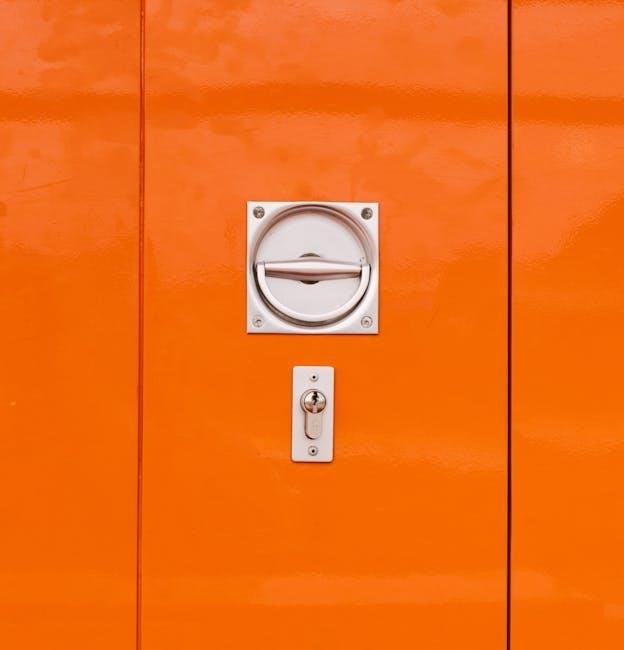
Begin by attaching the lock’s main body to the garage door using the provided screws, ensuring a snug but not overly tight fit․ Next, install the strike plate on the door frame, aligning it precisely with the lock’s bolt or latch․ Verify proper alignment before fully tightening the screws; misalignment can hinder functionality․

If your kit includes a keyed knob, carefully insert the cylinder and secure it according to the manufacturer’s directions․ For slide bolt locks, test the smooth operation of the bolt before final installation․ Double-check all connections for stability and security․
Testing the Lock Functionality
After installation, thoroughly test the lock from both inside and outside the garage․ Ensure the key turns smoothly and engages/disengages the locking mechanism without resistance․ Verify the bolt or latch extends fully into the strike plate, providing a secure hold․ Attempt to lift the door while locked to confirm it’s effectively secured․
Repeat this process several times, simulating various scenarios․ Check for any binding or difficulty in operation․ Address any issues immediately, re-tightening screws or adjusting the strike plate as needed to guarantee reliable performance and peace of mind․
Security Features to Consider
When selecting a manual garage door lock, prioritize robust security features․ Evaluate the lock body material – steel offers superior resistance to forced entry compared to aluminum․ Consider key control options; restricted keyways limit duplication, enhancing security․ Look for corrosion-resistant finishes to withstand outdoor elements and prolong lock life․
Assess the lock’s resistance to picking and bumping․ Think about the overall build quality and the strength of the locking mechanism․ Remember that a secure lock is a vital component of a comprehensive garage security plan, especially in structures exceeding 1,000 sq ft․
Lock Body Material (Steel vs․ Aluminum)
The lock body material significantly impacts security and durability․ Steel provides exceptional resistance to forced entry, making it ideal for high-security applications and detached garages․ However, steel is susceptible to corrosion if not properly coated or maintained․
Aluminum is lightweight and corrosion-resistant, suitable for milder climates, but offers less resistance to physical attacks․ Choosing between the two depends on your security needs and environmental conditions․ For structures exceeding 1,000 square feet, steel is generally recommended for enhanced protection․

Key Control and Duplication
Maintaining control over key duplication is vital for garage security․ Standard keyways are easily copied, compromising security if a key is lost or stolen․ Consider lock kits featuring restricted keyways, requiring authorization for duplication, adding a layer of protection․
For detached garages, especially those exceeding 1,000 square feet classified as public garages, robust key control is paramount․ Implementing a key management system, tracking key distribution, and regularly re-keying locks can deter unauthorized access and maintain a secure environment․
Corrosion Resistance
Garage environments expose locks to moisture, salt (in colder climates), and temperature fluctuations, accelerating corrosion․ Selecting a lock kit constructed from corrosion-resistant materials is crucial for longevity and reliable operation․ Stainless steel and aluminum alloys offer superior protection against rust and degradation compared to standard steel․
For detached garages, particularly those with unheated slabs on grade susceptible to frost heave, corrosion resistance is even more critical․ Regular inspection and lubrication, alongside durable materials, ensure the lock functions smoothly, providing consistent security against potential breaches․
Garage Door Codes and Regulations (Related to Locks)
Building codes often classify garages based on size and occupancy – private (under 1,000 sq ft) versus public․ Public garages, like those exceeding this threshold, require stricter fire safety measures, potentially necessitating fire barriers between the garage and adjacent structures․ Electrical disconnects must be readily accessible, adhering to specific regulations for detached buildings․
Lock installations must comply with local fire safety regulations, ensuring egress isn’t impeded․ Furthermore, portal frame openings and header restrictions influence garage construction, impacting lock placement․ Understanding these codes ensures compliance and a safe, secure garage environment․
Fire Safety Regulations and Garage Structures
Garage structures, particularly those exceeding 1,000 square feet, often fall under “public garage” classifications, demanding adherence to stringent fire safety standards․ This necessitates classifying parking garages as Group S-2 occupancy, requiring a fire barrier wall if adjacent to a business occupancy․ Regulations prioritize safe egress, meaning lock mechanisms shouldn’t hinder emergency exits․
Construction details, like portal frame openings, are scrutinized to prevent fire spread․ Proper separation from dwellings is crucial, and codes dictate requirements for detached versus attached garages․ Compliance ensures life safety and property protection․
Building Codes Regarding Garage Size (Under 1,000 sq ft)
For garages under 1,000 square feet, building codes often classify them as “private garages,” subject to less rigorous regulations than larger structures․ However, even within this size limit, safety remains paramount; manual lock kits must not impede emergency egress․ Local jurisdictions may have specific requirements regarding door security and access․
While frost protection for slabs isn’t always mandated for unheated garages, adherence to residential codes is essential․ Lock selection should align with these codes, ensuring compliance and peace of mind for homeowners․ Proper installation is key to meeting safety standards․
Electrical Disconnect Locations and Garage Safety
Garage electrical safety necessitates readily accessible disconnects, typically located on the main structure or near the garage panel․ When installing a manual lock kit, avoid obstructing access to these critical components․ Ensure the lock doesn’t interfere with emergency shut-off procedures or electrical inspections․
A GFCI-protected circuit is standard, but the lock’s installation shouldn’t compromise its functionality․ Prioritize clear pathways to the disconnect, even in detached garages fed via conduit․ Maintaining safe electrical access is vital, complementing the security provided by the lock kit․
Maintaining Your Manual Garage Door Lock
Regular maintenance ensures your manual garage door lock kit remains reliable․ Lubrication is key; apply a silicone-based lubricant to the locking mechanism every six months to prevent corrosion and ensure smooth operation․ Inspect for wear and tear – check the lock body, bolt, and strike plate for any signs of damage or loosening․
Promptly address any issues like stiffness or difficulty engaging the lock․ Replace worn components immediately to maintain security․ Consistent upkeep extends the lock’s lifespan and guarantees continued protection, complementing the initial investment in the kit․
Lubrication Best Practices
Optimal lubrication is vital for a smoothly functioning manual garage door lock․ Utilize a silicone-based lubricant, avoiding oil-based products that attract dust and grime․ Apply sparingly to all moving parts – the keyway, bolt, and internal mechanisms – ensuring complete coverage․ Avoid over-lubrication, as excess can trap debris․
Regularly wipe away any excess lubricant to maintain cleanliness․ Frequency depends on usage and environmental conditions; aim for every six months, or more often in harsh climates․ Proper lubrication prevents corrosion, reduces friction, and extends the lock’s operational life, bolstering security․
Inspecting for Wear and Tear
Routine inspections are crucial for maintaining the security provided by your manual garage door lock kit․ Check for signs of physical damage, such as cracks, dents, or bending in the lock body and bolt․ Examine the keyway for obstructions or wear that might hinder smooth operation․ Assess the mounting hardware, ensuring screws are tight and the lock is securely fastened․
Look for corrosion, especially in coastal or humid environments․ Pay attention to any difficulty engaging or disengaging the lock․ Address any issues promptly to prevent further deterioration and maintain optimal security․
Replacing Worn Components
When inspections reveal damaged or worn parts, replacement is essential for continued security․ Start by identifying the specific component needing attention – the lock body, bolt, strike plate, or mounting hardware․ Ensure the replacement part is compatible with your existing lock kit․
Carefully remove the old component, noting its orientation․ Install the new part, tightening screws securely but avoiding over-tightening․ Test the lock’s functionality after each replacement․ If unsure, consult a locksmith or refer to the manufacturer’s instructions for guidance․
Troubleshooting Common Issues
Encountering problems? A key refusing to turn often indicates a misaligned strike plate or internal mechanism; lubrication may help․ If the lock is difficult to engage, check for obstructions or a warped door frame․ A loose lock suggests loose mounting screws – tighten them carefully․
Persistent issues could stem from wear and tear, requiring component replacement․ Remember to regularly inspect and lubricate the lock․ For complex problems, consulting a locksmith ensures proper diagnosis and repair, maintaining your garage’s security․
Key Won’t Turn
When your key refuses to turn in the manual garage door lock, several factors could be at play․ First, check for misalignment between the key and the lock cylinder – gentle wiggling might help․ Secondly, the strike plate could be slightly out of alignment, preventing smooth engagement․
Lubrication is key; apply a graphite-based lubricant to the key and lock cylinder․ If the problem persists, internal components may be worn or damaged, necessitating a locksmith’s expertise or lock replacement․ Avoid forcing the key, as this could cause further damage․
Lock is Difficult to Engage
Experiencing difficulty engaging your manual garage door lock often points to alignment issues between the lock’s bolt and the strike plate․ Inspect the strike plate’s position; it might require slight adjustments to ensure a seamless connection with the bolt․ Check for obstructions – paint buildup or debris – hindering smooth operation․
Lubrication can significantly improve engagement; use a graphite-based lubricant on moving parts․ If the lock remains stubborn, the door frame itself might be shifting, requiring professional assessment and potential repairs․ Avoid excessive force, which could damage the lock mechanism․
Lock Feels Loose
A loose feeling in your manual garage door lock typically indicates a problem with the mounting hardware or the lock’s internal components․ Begin by tightening all screws securing the lock body and strike plate to the door and frame, respectively․ Inspect the screws for stripping; replace them if necessary with longer, heavier-duty alternatives․
If tightening doesn’t resolve the issue, internal parts may be worn or damaged․ Consider disassembling the lock (if comfortable) to examine the cylinder and bolt for looseness․ Severe looseness often necessitates lock replacement for continued security․
Cost Considerations: Budgeting for a Lock Kit
Manual garage door lock kit prices vary significantly based on type, material, and brand․ Simple slide bolt locks are the most affordable, often under $20, while robust deadbolt kits range from $30 to $80․ Keyed knob lock sets typically fall between $40 and $60․ Factor in potential costs for additional hardware like longer screws or reinforcing plates․
Professional installation can add $50 to $150 to the total expense․ DIY installation saves on labor but requires tools and some mechanical aptitude․ Prioritize quality and security features over the lowest price to ensure lasting protection․
Top Brands and Recommended Kits
Several brands consistently receive positive reviews for garage door lock kits․ Stanley offers reliable deadbolt options, known for durability and ease of installation, typically priced around $45․ Master Lock provides a range of keyed knob and slide bolt kits, offering good value for around $30-$50․
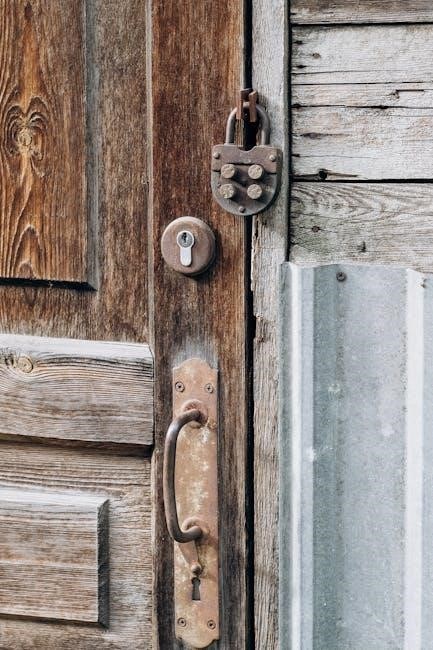
Defiant, available at Home Depot, features affordable and functional lock sets․ For enhanced security, consider a kit with hardened steel components․ Always check customer reviews and compatibility with your specific garage door type before purchasing․
DIY vs․ Professional Installation
Installing a manual garage door lock kit is generally a straightforward DIY project, requiring basic tools and mechanical aptitude․ However, ensuring proper alignment and secure mounting is crucial for optimal security․ Incorrect installation can compromise the lock’s effectiveness and potentially damage the door․
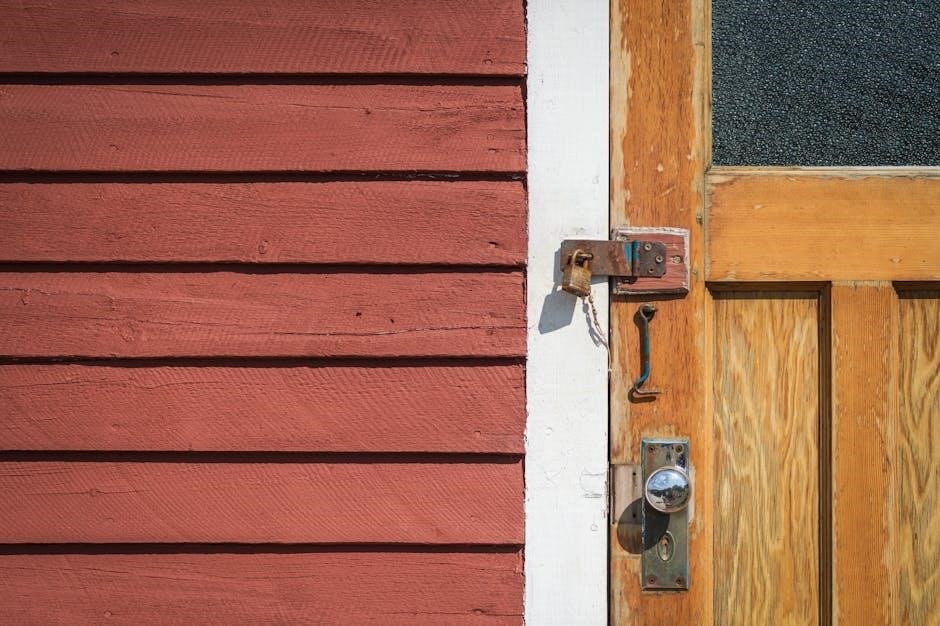
Professional installation, costing around $75-$150, guarantees a secure fit and adherence to local building codes․ If you’re uncomfortable with drilling or lack experience, opting for a professional is recommended, especially for steel or aluminum doors․
Enhancing Garage Security with Additional Measures
Beyond a manual lock, bolstering garage security involves multiple layers․ Consider reinforcing the door itself with steel plates around the lock and hinges, deterring forced entry․ Motion-sensor lighting illuminates potential intruders, while security cameras provide surveillance and recording capabilities․
For detached garages, ensure adequate perimeter lighting and consider a monitored alarm system․ Addressing portal frame openings and header restrictions during construction enhances structural integrity․ Regularly inspect and maintain the garage door and lock, ensuring smooth operation and preventing vulnerabilities․
Understanding Portal Frame Openings and Header Restrictions
Garage structural integrity relies heavily on portal frame openings and header design․ Codes often restrict multiple adjacent openings sharing a common header, preventing stress concentration and potential collapse – particularly relevant with wider garage doors․ This ensures the header can adequately distribute the load․
A single portal frame opening is generally permissible, but closely spaced frames require individual headers․ Compliance with local building codes is crucial, especially concerning garage size (under 1,000 sq ft) and occupancy classification․ Proper construction safeguards against frost heave and maintains structural stability․
Frost Protection for Garage Floors (Slab on Grade)
Unheated garage floors, constructed as slabs on grade, require careful consideration regarding frost protection․ While not always mandated by code, especially for smaller structures, frost heave can cause significant damage over time․ Many unheated post-frame buildings utilize independent slabs, potentially susceptible to this issue․
The necessity for frost protection depends on local climate and soil conditions․ NYS Residential Code doesn’t explicitly require it for unheated garages, but prudent construction practices often incorporate preventative measures․ Proper insulation or deeper foundation depths mitigate the risk of cracking and shifting․
Occupancy Classification and Fire Barriers (Public vs․ Private Garages)
Garage occupancy classification significantly impacts fire safety requirements․ Garages exceeding 1,000 square feet are often categorized as “public” (Group S-2), demanding stricter regulations than “private” garages․ This distinction necessitates a fire barrier wall when adjacent to business occupancies, protecting against potential hazards․
The need for a fire barrier stems from the increased risk associated with larger, potentially commercial garage spaces․ Proper separation prevents fire spread, safeguarding both property and occupants․ Understanding these classifications is crucial for compliant construction and ensuring adequate safety measures are implemented․