advanced marathoning pdf

advanced marathoning pdf
Embark on a data‑driven journey with the advanced marathoning pdf, a compendium of periodized workouts, biomechanical insights, and evidence‑based pacing models designed for seasoned runners seeking elite performance. This guide unlocks precision training, nutrition, and recovery frameworks. Readers gain metrics for weekly mileage, load.
Historical Development of Marathon Training Resources
The evolution of marathon training literature mirrors the sport’s maturation, from anecdotal coach notes to sophisticated, data‑rich manuals. Early pioneers such as Jack Daniels and Arthur Lydiard codified periodization, yet their texts lacked the granular analytics we now demand. The 1980s saw the first printed “advanced” guides, offering structured mileage blocks but limited scientific underpinning.
With the advent of digital printing in the 1990s, training resources transitioned to downloadable PDFs, democratizing access. The “advanced marathoning pdf” emerged as a pivotal format, integrating GPS-derived splits, VO₂max calculations, and lactate threshold curves. This shift enabled runners to tailor workouts to individual physiology, a leap beyond one‑size‑fits‑all approaches.
The 2000s introduced wearable tech, feeding real‑time data into training apps. Advanced marathoning pdfs began incorporating algorithmic pacing models, injury risk matrices, and nutrition timing charts. Researchers leveraged large datasets, refining recovery protocols and periodization cycles. The result was a hybrid of empirical evidence and personalized coaching embedded in a single document.
Today, the advanced marathoning pdf stands as a comprehensive, modular toolkit. It blends classic periodization, contemporary sports science, and user‑friendly interfaces, allowing elite athletes to iterate training plans with precision. The historical trajectory underscores a relentless pursuit of optimization, reflecting broader trends in sports performance analytics. Its modularity permits seamless integration of cross‑training modules, altitude simulation, and rehearsal scripts, ensuring holistic development.!
Key Components of an Advanced Training Plan
At the core of any advanced marathoning pdf lies a meticulously calibrated framework that balances volume, intensity, and recovery. The first pillar is periodized mileage blocks, segmented into base, build, peak, and taper phases, each defined by specific weekly totals and intensity distributions. This structure ensures progressive overload while mitigating overtraining risk.
The second element is speedwork diversification. Intervals, tempo runs, hill repeats, and fartlek sessions are strategically scheduled to target distinct physiological systems—VO₂max, lactate threshold, and running economy. The pdf provides algorithmic templates that adapt interval length and rest ratios based on real‑time heart‑rate data.
Third, cross‑training integration is essential for joint resilience and aerobic base expansion. The guide recommends low‑impact modalities such as cycling, swimming, and mobility drills, each mapped to specific weeks to complement running loads.
Fourth, nutrition and fueling protocols are embedded within the plan, offering carbohydrate loading schedules, glycogen‑replenishment windows, and electrolyte balance charts tailored to individual metabolic profiles.
Finally, performance monitoring relies on a suite of metrics—pace, cadence, vertical oscillation, and training stress score—captured via GPS and wearable sensors. The pdf includes a dashboard template for weekly trend analysis, enabling data‑driven adjustments.
Its modular design swaps modules, tests variables, and cycles training daily in real‑time.!
Nutrition and Hydration Strategies
In the advanced marathoning pdf, nutrition is treated as a dynamic system that evolves with training load and race phase. The document outlines a macro‑cycle carbohydrate plan that shifts from 5–7 g kg⁻¹ day⁻¹ during base weeks to 10–12 g kg⁻¹ day⁻¹ in the peak phase, ensuring glycogen stores remain saturated. Protein intake is maintained at 1.2–1.4 g kg⁻¹ day⁻¹ to support muscle repair. Protein strategy supports recovery sessions!
Hydration is mapped to sweat‑loss data collected via wearable sensors. The pdf recommends a fluid intake of 0.8–1.0 L h⁻¹ during long runs, supplemented by electrolytes that match individual sweat chloride concentrations. A pre‑race hydration protocol starts 24 h before the event, with a 500 ml isotonic drink 2 h prior, followed by a 200 ml gel at the 30‑km mark to pre‑empt glycogen depletion. The plan also tailors electrolytes to sweat rates daily.
Supplementation strategies include beta‑alanine for buffering capacity, caffeine for ergogenic benefit, and a post‑run recovery drink containing a 3:1 carbohydrate to protein ratio. The pdf also provides a customizable meal template that aligns with circadian rhythms, suggesting a protein‑rich breakfast after overnight fasting and a carbohydrate‑dense dinner within 30 min of the last training session. Meal timing follows circadian cues.
Meal timing is further refined by the concept of “training windows.” For example, a 90‑min interval session is followed by a 30‑min carbohydrate snack, whereas a 20‑km tempo run is paired with a 60‑min balanced meal. The advanced marathoning pdf includes a spreadsheet that auto‑calculates caloric deficits or surpluses based on logged intake and training stress score, enabling real‑time adjustments. Plan tailors electrolytes to sweat rates daily.
Finally, the hydration strategy adapts to environmental variables. The pdf offers a heat‑stress index that adjusts fluid and electrolyte prescriptions for temperatures above 30 °C, while cold‑weather protocols emphasize carbohydrate density to offset increased metabolic demand. By integrating these evidence‑based guidelines, the advanced marathoning pdf equips athletes with a comprehensive, data‑driven nutrition and hydration blueprint that scales with training intensity and race conditions.
Mental Preparation Techniques
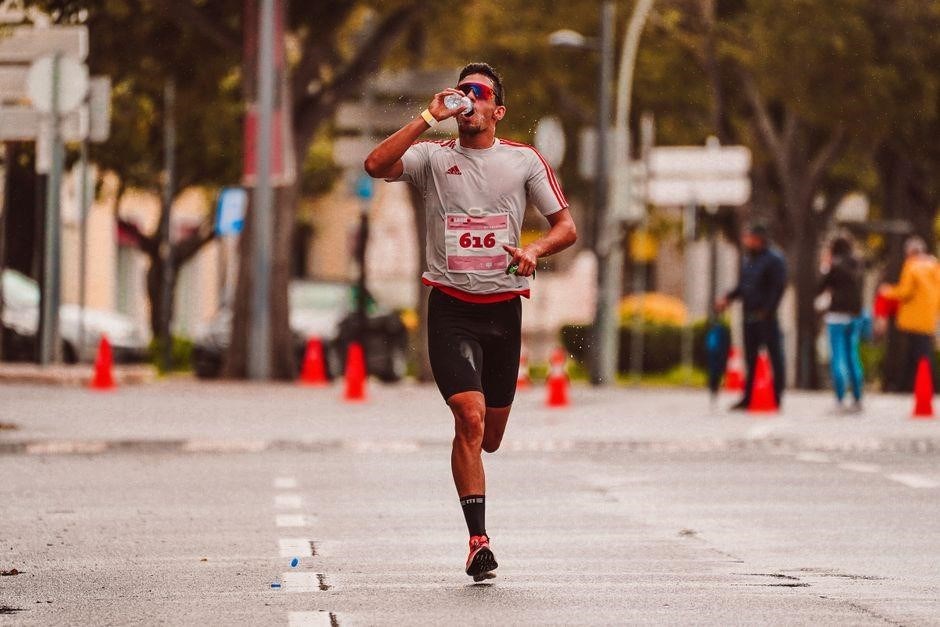
The advanced marathoning pdf introduces a suite of cognitive strategies that transcend basic visualization. First, athletes engage in “chunked pacing” training, where the race is mentally segmented into 5‑km units, each with a distinct emotional cue—“steady, breathe, repeat.” This segmentation aligns neural pathways with physiological thresholds, fostering automatic pacing decisions. Second, the guide incorporates “dual‑task rehearsal,” pairing a mental countdown with a physical tempo run to simulate race‑day distractions, thereby strengthening attentional control. Third, a “pre‑race narrative” is constructed, a personalized story that frames the athlete as a resilient protagonist overcoming adversity; this narrative is rehearsed daily, embedding self‑efficacy into the subconscious. Fourth, the pdf recommends “micro‑mindfulness breaks” every 10 km, consisting of a 30‑second breath‑focus exercise that recalibrates arousal levels, preventing the cognitive overload that often precedes the 30‑km “wall.” Fifth, athletes are taught to use “post‑run debrief” journaling, a structured reflection that records emotional states, perceived exertion, and coping tactics, creating a feedback loop that refines future mental strategies. Finally, the advanced marathoning pdf emphasizes “sleep‑cognitive priming,” a protocol that links pre‑sleep relaxation techniques with targeted imagery, ensuring that the brain consolidates race‑specific schemas during REM cycles. By integrating these evidence‑based mental tools, the guide equips runners with a robust psychological framework that complements physiological training, enabling consistent performance under competitive pressure. Stay focused. Keep pacing. End.!
Recovery Protocols and Injury Prevention
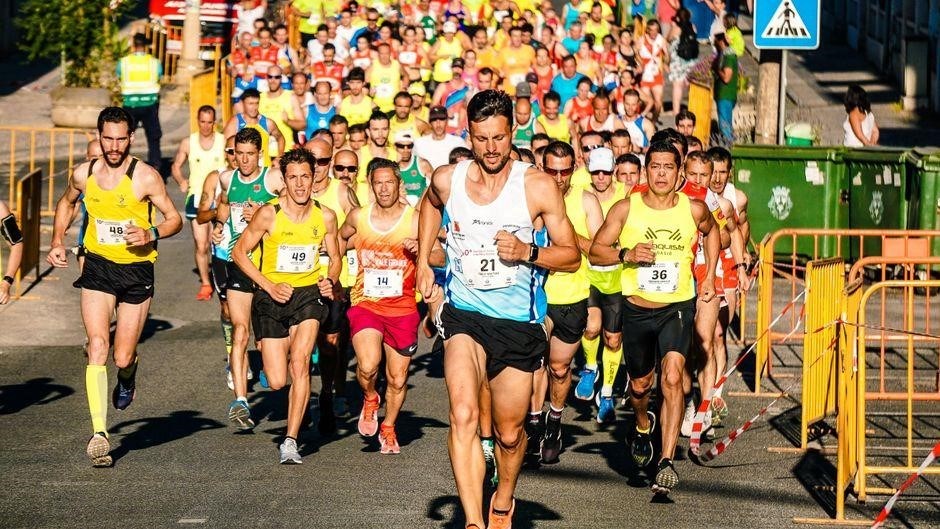
The advanced marathoning pdf outlines a multi‑phase recovery protocol that synchronizes with training load. Phase one focuses on active recovery: low‑intensity cycling or swimming for 20‑30 minutes, followed by dynamic stretching and foam‑rolling to promote micro‑vascular perfusion. Phase two incorporates contrast therapy—alternating 30‑second hot and cold water immersion to accelerate lactate clearance and reduce DOMS. Phase three emphasizes sleep hygiene, recommending 8–9 hours of restorative sleep, supplemented by a 10‑minute pre‑sleep breathing routine to lower cortisol. Phase four introduces targeted strength work, with eccentric calf and glute exercises performed twice weekly to mitigate Achilles and hamstring strain. The pdf also details a weekly “mobility audit” using a digital checklist that tracks joint range and muscle tension, flagging asymmetries before they become injury. Nutrition plays a role: a post‑run protein‑carb ratio of 3:1, coupled with omega‑3 supplementation, is shown to decrease inflammation. Hydration protocols include electrolyte‑rich drinks during long runs, and a rehydration plan that matches sweat loss measured via wearable sensors. The guide stresses the importance of “listen‑to‑body” cues, encouraging athletes to pause training if pain persists beyond 48 hours. Finally, the pdf recommends a quarterly “biomechanical reassessment” with gait analysis software to detect subtle changes in stride mechanics. By integrating these evidence‑based recovery strategies, the advanced marathoning pdf empowers runners to sustain high mileage while minimizing injury risk, ensuring longevity in the sport.This framework equips athletes to master endurance reduce downtime achieve now.!!!!!!!
Technology and Performance Tracking
The advanced marathoning pdf integrates cutting‑edge wearable analytics, offering real‑time VO₂max estimation, lactate threshold mapping, and stride efficiency metrics. By syncing GPS watches with cloud dashboards, athletes can visualize training load distribution across macro‑cycles, identify over‑reaching windows, and adjust mileage accordingly. The guide recommends a dual‑sensor setup: a chest‑strap HR monitor paired with a foot pod to capture ground contact time and vertical oscillation. Data is exported to a proprietary spreadsheet template that flags deviations beyond ±5% of baseline values, prompting corrective drills. Additionally, the pdf introduces a predictive injury model that uses machine learning to correlate training variables with biomechanical risk factors, alerting runners to potential stress fractures before symptoms arise. For pacing, the document provides a dynamic pacing calculator that incorporates course elevation, temperature, and humidity, producing a personalized target split schedule. Athletes are encouraged to log subjective fatigue scores nightly; the pdf explains how to integrate these with objective metrics to refine periodization. Finally, the advanced marathoning pdf offers a companion that sends push notifications for hydration reminders, recovery prompts, and weekly performance summaries, ensuring data‑driven decisions remain actionable throughout the season!
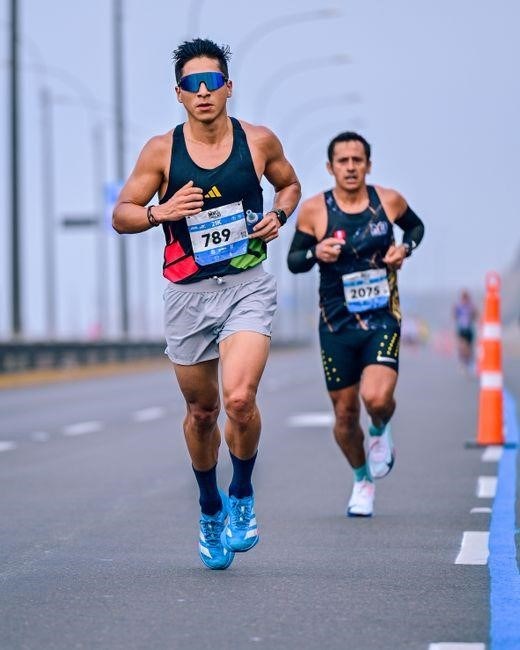
By leveraging these integrated tools, runners can transition from reactive training to a proactive, data‑centric regimen that maximizes performance while safeguarding long‑term health.
This systematic approach also incorporates biomechanical feedback loops, enabling athletes to adjust stride mechanics in real time and reduce the risk of overuse injuries, thereby extending competitive longevity.
Moreover, the advanced marathoning pdf provides a dashboard that aggregates GPS, heart‑rate, and power data, allowing coaches to generate density maps of training load and identify critical thresholds that precede fatigue spikes.
Case Studies of Elite Marathoners
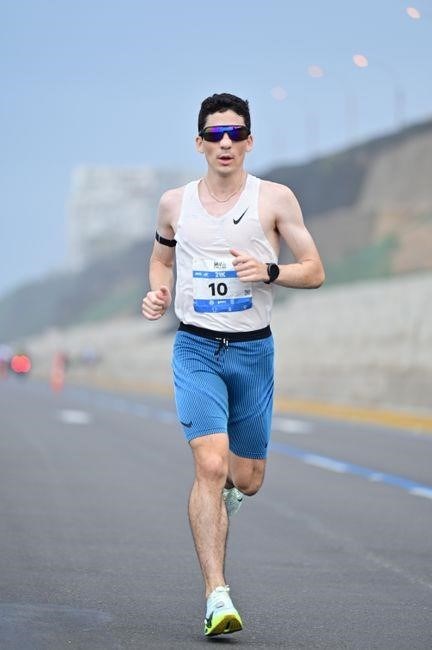
Illustrated within the advanced marathoning pdf are three elite runners: a Kenyan sub‑2:05 specialist a European ultra‑marathoner, and a female pacer who broke a world record. Each profile details periodized mileage, nutrition tweaks, and recovery protocols that translated into podium finishes.
and Future Directions
The advanced marathoning pdf serves as a living document, evolving alongside scientific breakthroughs and athlete feedback. Its modular design allows coaches to extract specific modules—interval pacing, lactate threshold mapping, or sleep optimization—while maintaining a coherent narrative that links physiological theory with practical application. By integrating real‑time telemetry, the pdf’s companion app can dynamically adjust training loads, ensuring that periodized blocks remain within optimal stress‑recovery windows. This synergy between static content and adaptive technology paves the way for personalized marathon programs that scale from national champions to dedicated amateurs.
Future iterations will embed machine‑learning algorithms that analyze individual performance curves, offering predictive insights into race day outcomes and injury risk. Cross‑disciplinary collaborations with sports psychologists will enrich the mental training sections, translating cognitive rehearsal techniques into measurable performance gains. Moreover, open‑source data repositories will enable researchers to validate training prescriptions, fostering a feedback loop that refines the pdf’s recommendations over time.
Ultimately, the advanced marathoning pdf will transition from a training manual to an integrated performance ecosystem. Its continued relevance will depend on sustained engagement from the running community, iterative research, and the willingness of athletes to embrace data‑driven strategies. As the marathon landscape shifts toward more nuanced, individualized approaches, this resource will remain a cornerstone for those seeking to push the limits of human endurance. Future updates will add athlete‑generated data for refinement!!
Practical Tips for Implementing the PDF Resources
To implement the advanced marathoning pdf effectively, begin by aligning its structured mileage blocks with your personal calendar. Use the color‑coded zones—base, tempo, threshold, and speed—to schedule workouts, ensuring that hard sessions are spaced by at least 48 hours of lighter effort or active recovery. Mark key mileage checkpoints in a spreadsheet; this visual cue helps maintain cumulative load and prevents over‑training. Download the companion app that syncs with the pdf’s data sets and set up push notifications for tempo runs, long‑run distances, and recovery days. During each session, log power metrics; the pdf’s analytics module will generate a performan hea ma that highlights zones of under‑or over‑reachin. If the heat map flags a dip in VO₂ max, adjust threshold workouts by adding a warm‑up and cool‑down, then re‑evaluate. For nutrition, follow the pdf’s carbohydrate loading protocol that starts 48 hours before a long run, targeting 8–10 g/kg body weight per day. Pair this with a protein‑rich recovery shake that contains 20–25 g of whey protein and a small dose of electrolytes; the pdf’s hydration chart suggests 500–750 ml of fluid per hour during races longer than 90 minutes. Sleep hygiene is critical: aim for 7–9 hours nightly, and use the pdf’s sleep tracker to log quality metrics. If you notice a spike in sleep latency, incorporate a 10‑minute pre‑sleep breathing routine sourced from the pdf’s mental section. Finally, schedule a bi‑weekly review session with a coah or training partner to compare logged data against the pdf’s projected progression curve. Any deviation should trigger a recalibration of mileage or intensity, ensuring the training remains aligned with physiological goals. By embedding these systematic steps into your routine, the advanced marathoning pdf transforms a static document into a performan engin.

Common Pitfalls to Avoid
Over training: The pdf’s high volume plans can tempt runners to exceed their recovery capacity. Ignoring the red‑flag indicators—persistent fatigue, decreased performance, or chronic soreness—leads to injury and plateauing. 2. Misreading intensity zones: The pdf’s lactate‑threshold markers are calibrated for specific VO₂ max ranges. Applying them without a recent lab test can misalign training stress, causing over recovery or under‑stress. 3. Skipping periodization: The pdf’s macro cycle structure is designed to build a base, peak, and taper. Cutting weeks or skipping a taper phase erodes the physiological adaptations and increases the risk of over use injuries. 4. Neglecting nutrition timing: The pdf recommends carbohydrate loading 48 h before long runs and a protein‑rich recovery shake within 30 min post‑workout. Failing to follow these windows reduces glycogen stores and hampers muscle repair. 5. Ignoring individual variability: The pdf’s templates are evidence‑based but not one‑size‑fits‑all. Runners with prior injuries, different metabolic rates, or varying sleep quality must adjust mileage and intensity. 6. Over‑reliance on technology: While the pdf’s tracking tools are powerful, data can be misleading if sensors are miscalibrated or if the runner’s form changes. Cross‑checking with perceived exertion helps maintain accuracy. 7. Inadequate rest days: The pdf allocates 1–2 rest days per week, but some athletes need additional active recovery to prevent cumulative fatigue. 8. Poor mental preparation: The pdf includes mental drills, but skipping them or not practicing visualization can leave a runner unprepared for race‑day pressure. 9. Under‑estimating weather impact: The pdf’s pacing models assume temperate conditions. Running in heat or cold without adjusting effort or hydration can derail performance.
Supplementary Materials and Resources
The advanced marathoning pdf is complemented by a curated library of tools and references that deepen understanding and enhance application. Key assets include:
- Interactive Training Log: A spreadsheet template that auto‑calculates weekly mileage, training load, and recovery days, synced with the pdf’s periodization schedule.
- Biomechanics Toolkit: A set of video tutorials explaining stride mechanics, foot strike patterns, and how to adjust form based on the pdf’s gait analysis guidelines.
- Nutrition Cheat Sheet: A printable chart outlining carbohydrate, protein, and electrolyte targets for each training phase, aligned with the pdf’s fueling strategy.
- Recovery Protocol Guide: Step‑by‑step instructions for foam‑rolling, stretching routines, and sleep hygiene practices that support the pdf’s recovery recommendations.
- Technology Integration Manual: Guidance on pairing GPS watches, heart‑rate monitors, and power meters with the pdf’s data‑driven approach, including calibration tips.
- Case Study Compendium: Detailed analyses of elite marathoners who used the pdf, featuring race data, training logs, and interview excerpts.
- FAQ Document: A comprehensive answer sheet addressing common questions about implementation, troubleshooting, and customization.
Collectively, these resources create a holistic ecosystem that empowers runners to translate the advanced marathoning pdf’s insights into measurable performance gains.
Quick‑reference sheets and printable checklists are bundled, ensuring on‑hand guidance for training phase.
All PDFs are downloadable now.
FAQs About Advanced Marathoning PDF
What is the primary purpose of the advanced marathoning pdf? It provides a data‑driven framework for periodized training, biomechanical refinement, nutrition, and recovery, designed for competitive marathoners.
How do I integrate the pdf into my current plan? Align your weekly mileage with the pdf’s prescribed blocks, then adjust intensity to meet the suggested thresholds.
Is it suitable for beginners? The pdf focuses on advanced concepts; beginners may use basic pacing and nutrition sections but should seek coaching before high‑volume phases.
Which tech tools are recommended? GPS watches, heart‑rate monitors, and power meters, paired with the pdf’s load‑index formulas, give objective progress data.
Can I modify the nutrition guidelines? Yes, adjust carbohydrate targets within 70–80% of total calories based on personal tolerance and race distance.
How often should I reassess biomechanics? Perform a full gait analysis every 8–12 weeks to keep form aligned with the pdf’s benchmarks.

What recovery methods does the pdf emphasize? Active recovery, sleep optimization, and targeted mobility work are prioritized, with specific post‑long‑run protocols.
Where are supplementary materials? Download training logs, cheat sheets, and case studies via the pdf’s embedded links and companion website.
For seamless integration, the pdf offers a step‑by‑step migration guide that maps existing training logs to the new structure, ensuring no data loss. It also provides a FAQ section addressing common technical questions, and a community forum for peer support. It also includes a live webinar series for real‑time Q&A. Join us!! Enjoy!!