centimeter grid paper pdf

centimeter grid paper pdf
Overview of Centimeter Grid Paper PDF
Centimeter grid paper PDFs offer a uniform 1‑cm grid ideal for drafting‚ geometry‚ and design․ Users can download a blank‚ fillable template from pdfFiller by visiting the site‚ locating the 1‑cm grid paper‚ and clicking the download button․ The PDF supports print‑ready scaling and margin settings․ PDF
Definition and Standard Layout
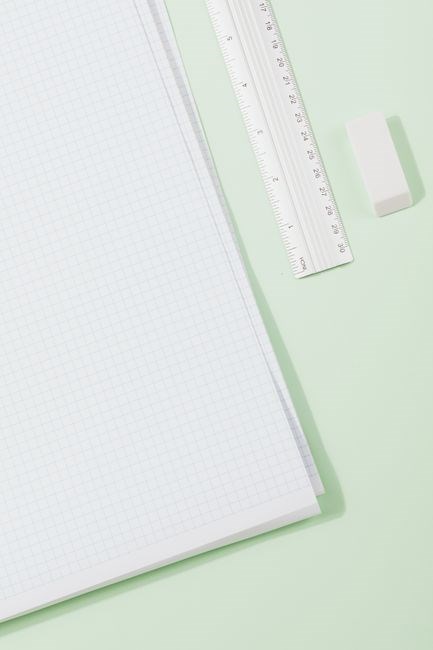
A centimeter grid paper PDF is a digital document that presents a uniform grid where each cell measures exactly one square centimeter․ The standard layout follows a 21 cm × 29․7 cm (A4) page size‚ with a 1 cm spacing between vertical and horizontal lines․ The grid is centered on the page‚ leaving a 2 cm margin on all sides to prevent clipping during printing․ Each square is numbered along the top and left edges‚ allowing quick reference for measurements or coordinate placement․ The lines are drawn in a light gray tone to avoid overpowering drawings‚ while the background remains white for maximum contrast․ The PDF format ensures that the grid retains its proportions across different screen resolutions and printers‚ making it ideal for both on‑screen sketching and hardcopy drafting․ Users can also export the grid as a fillable form‚ enabling them to type annotations directly into the cells․ The standard layout is widely adopted in educational settings for teaching geometry‚ in engineering for preliminary sketches‚ and in architectural design for quick layout planning․ Because the grid is based on metric units‚ it aligns seamlessly with CAD software that uses centimeters as its default unit‚ facilitating a smooth transition from paper to digital models․ The PDF’s metadata includes a title‚ author‚ and keywords such as “metric grid‚” “drafting paper‚” and “engineering template‚” which help in cataloging and searching within document repositories․ The file size remains small‚ typically under 200 KB‚ due to the use of vector graphics for the lines‚ ensuring fast download and low storage consumption․ Overall‚ the centimeter grid PDF provides a versatile‚ precise‚ and universally compatible foundation for any project that requires a consistent measurement framework․ Use it

Historical Development of Grid Paper
Grid paper‚ first appearing in the late 19th century‚ was originally designed for architects and engineers to draft precise plans․ The earliest versions were hand‑stitched or printed on heavy stock‚ featuring a 1 cm grid that matched the metric system adopted by many European countries․ As industrialization accelerated‚ the need for standardized drafting tools grew‚ leading to the mass production of paper with uniform grids․ In the 1930s‚ the American Institute of Architects (AIA) endorsed a 1 cm grid as a standard for architectural drawings‚ which quickly spread to engineering schools and technical institutes․ The advent of computer-aided design (CAD) in the 1970s and 1980s shifted the focus from physical paper to digital representations‚ but the metric grid remained a reference point for designers․ Modern PDF versions of centimeter grid paper preserve the original layout while offering digital convenience: they can be downloaded‚ printed‚ or used as fillable forms․ Today‚ these PDFs are widely available on platforms like pdfFiller‚ where users can customize margins‚ orientation‚ and line thickness․ The evolution from hand‑stitched sheets to digital PDFs reflects broader shifts in drafting practices‚ yet the core principle—providing a consistent‚ measurable framework—remains unchanged․The persistence of the centimeter gridalso influenced educational curricula‚ where teachers used it in geometry lessons to illustrate coordinate systems and area calculations․ In the digital era‚ many software packages embed a virtual grid‚ allowing students to practice drawing on-screen with the same precision as on paper․ The grid’s simplicity makes it an ideal tool for artists and hobbyists who need a quick reference for proportion and scale
Design and Formatting Features
Centimeter grid PDFs allow users to choose grid size‚ margins‚ and orientation․ Print settings can be adjusted for A4 or legal paper‚ and line thickness ranges from 0․5 mm to 1 mm․ Fillable fields can be added for notes or measurements Use it for sketches simple
Grid Size and Scale Options
When selecting a centimeter grid PDF‚ users can adjust the grid spacing to match specific project requirements․ The default template offers a 1 cm × 1 cm grid‚ but many platforms allow custom scaling‚ such as 0․5 cm or 2 cm squares‚ by modifying the PDF’s vector settings․ Print‑ready PDFs support scaling from 50 % to 200 %‚ ensuring that the grid remains crisp on both small and large paper sizes․ Users can also toggle between portrait and landscape orientations‚ and set custom margins to accommodate binding or annotation spaces․ The grid lines are typically set at 0․3 mm thickness‚ but some templates provide a thicker 0․5 mm option for better visibility on high‑resolution printers․ Additionally‚ the PDF can be exported to other formats like SVG or PNG for use in digital illustration tools‚ preserving the precise centimeter measurements․ For educators and designers‚ the ability to scale the grid without losing alignment is crucial‚ especially when converting hand‑drawn sketches into CAD models or when aligning multiple sheets in a layout․ By using the built‑in scaling tools‚ users can maintain consistent proportions across different media‚ making the centimeter grid PDF a versatile resource for drafting‚ geometry‚ and architectural planning․ The grid size can be dynamically adjusted in pdfFiller by selecting the “Grid” tool‚ choosing the desired square size‚ and applying the changes before saving․ This flexibility allows students to practice measurements in a controlled environment‚ while professionals can quickly prototype layouts that require exact spacing․ The scaling options also support printing on larger formats‚ such as A3 or custom poster sizes‚ without losing the integrity of the centimeter measurements․ Moreover‚ users can lock the grid to prevent accidental edits‚ ensuring that the underlying grid remains intact while annotations are added․ The scaling feature also allows for fractional grid sizes‚ enabling fine‑grained control for detailed drawings․ Finally‚ the PDF’s metadata includes the grid resolution‚ making it easy to verify the scale when sharing documents with collaborators․ Overall‚ the grid size and scale options empower users to create precise‚ repeatable drawings that meet the exacting standards of technical and creative work․
Margins‚ Page Orientation‚ and Print Settings

Centimeter grid PDFs are designed for flexible printing․ The default margins are 1 cm on all sides‚ matching the 1 cm grid and keeping every square fully visible on A4 or Letter paper․ In pdfFiller‚ users can change margins via the “Page Setup” tool‚ entering custom values and previewing the layout instantly․ For tighter designs‚ margins can drop to 0․5 cm‚ while larger margins up to 2 cm accommodate binding or annotation space․ Orientation options include portrait‚ landscape‚ and custom angles like 45° skew for artistic layouts․ Switching orientation automatically repositions the grid to preserve the 1 cm scale․ Print settings support both inkjet and laser printers․ The PDF offers a “Print Quality” selector with 300 dpi for high‑resolution output and 150 dpi for standard office use․ Users may choose color or grayscale printing; grid lines appear in a subtle gray to avoid overpowering drawings while remaining legible on white or colored paper․ The “Print Preview” pane displays a full‑page view‚ allowing confirmation that the grid aligns with paper edges before printing․ For large‑format jobs‚ the PDF can scale up to 200 % without losing line definition‚ thanks to vector‑based grid lines․ Metadata includes recommended paper type‚ ensuring the final output matches the intended medium․ Its lightweight file size‚ under 200 KB‚ ensures quick downloads․ Export to SVG preserves accuracy․ All settings are stored in metadata for exact replication․ It supports PDF sharing via email now․ Quick sharing now․
Practical Applications and Use Cases
Students use grid PDFs for geometry‚ architects draft floor plans‚ engineers sketch circuits‚ artists outline canvases‚ and hobbyists track measurements․ The uniform 1‑cm squares simplify scaling‚ coordinate plotting‚ and precise alignment across disciplines
Students use grid PDFs for geometry‚ architects draft floor plans‚ engineers sketch circuits‚ artists outline canvases‚ and hobbyists track measurements․ The uniform 1‑cm squares simplify scaling‚ coordinate plotting‚ and precise alignment across disciplines․
Engineering‚ Architecture‚ and Design Drafting
In engineering‚ the 1‑cm grid PDF is a staple for schematic layouts‚ mechanical drawings‚ and electrical schematics․ The uniform squares allow precise placement of components‚ accurate scaling‚ and consistent annotation spacing․ Architects use the same template to draft floor plans‚ elevations‚ and site layouts‚ benefiting from the grid’s ability to maintain proportional relationships and facilitate rapid dimensioning․ Designers of product prototypes and industrial parts rely on the grid to sketch initial concepts‚ overlay CAD models‚ and produce hand‑drawn renderings that can be directly scanned or photographed for digital refinement․ The PDF format supports fillable fields‚ enabling users to annotate dimensions‚ material notes‚ and revision history without leaving the document․ When printed on standard 8․5×11 or A4 sheets‚ the grid aligns with common drafting tools‚ allowing seamless integration with rulers‚ compasses‚ and protractors․ For collaborative projects‚ multiple team members can share the same PDF template‚ ensuring that all stakeholders work from a consistent coordinate system‚ reducing errors in translation between hand drawings and computer‑aided design (CAD) files․ The ability to adjust margins and page orientation within the PDF editor further tailors the template to specific project requirements‚ such as large‑scale site maps or detailed component drawings․ Overall‚ the centimeter grid PDF serves as a versatile‚ low‑cost foundation that bridges traditional drafting techniques with modern digital workflows‚ enhancing accuracy‚ reproducibility‚ and communication across engineering‚ architecture‚ and design disciplines․ It allows instant edits!!

Obtaining and Customizing PDF Templates
Download a blank 1‑cm grid PDF from pdfFiller by visiting the site‚ locating the template‚ and clicking “Download․” Open it in any PDF editor to adjust margins‚ orientation‚ or add fillable fields for annotations․ Customization is quick and free․ Try now․

Official Sources and Free Download Platforms
For those seeking a reliable‚ no‑cost source of centimeter‑grid PDFs‚ the most prominent option is the pdfFiller platform․ By navigating to the pdfFiller homepage‚ users can locate the dedicated “1‑centimeter grid paper” template in the search bar or within the “Templates” section․ Once the template appears‚ a simple click on the “Download PDF” button initiates a direct download that preserves the original grid resolution and print‑ready formatting․ In addition to pdfFiller‚ several open‑source repositories such as OpenOffice․org’s template library and the public domain archive at Project Gutenberg host printable grid sheets that can be converted to PDF via free conversion tools․ These sites offer a variety of grid sizes‚ but the 1‑cm variant is consistently available across all platforms‚ ensuring compatibility with standard A4 and Letter paper dimensions․ Users who prefer a more hands‑on approach can also generate custom grids using spreadsheet software like LibreOffice Calc or Google Sheets; by setting cell dimensions to 1 cm and exporting the sheet as PDF‚ a perfectly aligned grid is produced․ All these methods provide a quick‚ accessible way to obtain a clean‚ professional‑looking grid for drafting‚ design‚ or educational purposes․ Users can also embed interactive fields using Adobe Acrobat’s form tools‚ allowing instant data capture directly on the grid․ This feature is useful for field surveys‚ inventory lists‚ or quick on‑the‑fly data entry and record results now!!
Editing Tools and Fillable Field Integration
Once a centimeter‑grid PDF is downloaded‚ users can enhance it with a range of editing tools to add interactive fields‚ annotations‚ and custom branding․ Adobe Acrobat Pro DC offers a “Prepare Form” wizard that automatically detects the grid layout‚ allowing users to place text fields‚ checkboxes‚ and radio buttons directly onto the 1‑cm squares․ The tool preserves the grid’s alignment‚ ensuring that each field snaps to the correct cell and maintains consistent spacing․ For those who prefer open‑source solutions‚ LibreOffice Draw and Inkscape can import the PDF‚ let users overlay form widgets‚ and export the result as a new PDF with embedded form fields․ Both applications support XFA and AcroForm standards‚ ensuring compatibility across most PDF readers․ Additionally‚ online services such as JotForm and PDFescape provide browser‑based form creation; users can upload the grid PDF‚ drag and drop form elements‚ and immediately preview how the fields will appear when printed․ When integrating fillable fields‚ it is essential to set the field properties—font size‚ border style‚ and alignment—to match the grid’s 1‑cm resolution; otherwise‚ the visual consistency may be disrupted․ Finally‚ after field placement‚ the PDF should be saved with “Save As” to preserve the interactive features‚ and a test print should confirm that the fields remain functional on paper․ This workflow empowers educators‚ engineers‚ and designers to transform a static grid into a dynamic data collection tool‚ enhancing both usability and precision in

Tips for Effective Use and Troubleshooting
Use high‑res paper to avoid grid distortion․ Set print scaling to 100% and disable auto‑crop․ If lines blur‚ choose a lighter ink or adjust printer DPI․ Missing fields‚ export the PDF with form data preserved․ Test on a sample page before full print․
Printing Quality and Paper Selection
Another critical factor is the printer’s paper feed mechanism․ A misaligned feed can cause the grid to shift slightly‚ especially on heavier stock․ Align the paper tray and run a test sheet to verify that the grid lines remain straight․ If the printer uses a duplex mode‚ double‑check that the second side is printed on the same orientation; otherwise‚ the grid will appear reversed․ For archival purposes‚ choose a paper that is acid‑free and has a high brightness rating to ensure longevity․ When printing in a commercial setting‚ consider using a dedicated print server that can queue jobs and monitor print quality in real time․ Finally‚ always keep a backup of the original PDF file in a secure location; if a print job fails‚ you can quickly re‑issue the job without re‑creating the template․ Export the PDF as a high‑resolution PNG or TIFF to preserve grid fidelity when sharing digitally across devices for students!! Print!!
Consider the environmental impact of your paper choice․ Recycled paper reduces the need for virgin pulp and lowers carbon emissions‚ but it may have a slightly different texture that can affect ink absorption․ If you are working in a high‑traffic area‚ choose a paper with a higher weight and a smooth finish to resist wear and tear․ For color printing‚ use a paper with a high gloss rating to enhance saturation‚ but be aware that glossy surfaces can reflect light and make fine grid lines harder to read․ Always test a few sheets before committing to a large print run‚ and keep a record of the printer settings used for each batch to ensure consistency across projects․ Calibrate printer results․ !!
Common Issues and Their Fixes
When printing or sharing centimeter grid paper PDFs‚ several pitfalls can arise․ A frequent problem is the grid becoming skewed or stretched; this usually stems from the printer’s scaling settings or a non‑square DPI․ Ensure the “Scale to Fit” option is disabled and set the print size to 100 %․ If the grid lines appear faint or washed out‚ try increasing the PDF’s line weight or switching to a vector‑based grid (SVG export) before re‑converting to PDF․ Another issue is the grid shifting between the left and right margins‚ often caused by a misaligned paper tray or a non‑standard paper size․ Verify that the PDF’s page size matches the printer’s media size and that the printer’s “Auto‑Rotate” feature is turned off․ Color bleed or ghosting can occur when using glossy stock; opt for matte or coated paper and use a lower ink density setting․ File corruption may present as missing grid lines or a blank page; re‑download the template from a reputable source such as pdfFiller or a university repository‚ and open it with a recent PDF reader to confirm integrity․ Finally‚ some PDF viewers automatically apply a “Fit to Page” zoom that alters the grid’s aspect ratio․ Use a viewer that preserves the original dimensions (Adobe Acrobat Reader‚ SumatraPDF) and always check the “Actual Size” preview before printing․ By addressing these common issues‚ users can maintain the precision and clarity that centimeter grid paper is designed to provide․ Exporting the PDF to a vector format like SVG keeps line edges sharp‚ enabling precise scaling in graphic editors and ensuring the grid stays crisp on any display or print․!