pcos diet plan pdf free
pcos diet plan pdf free
PCOS Diet Plan PDF Free: A Comprehensive Guide (Updated August 3, 2026)
Navigating PCOS requires a tailored dietary approach; freely available PDF resources offer guidance, but discerning quality is crucial for effective symptom management and overall wellness.
Understanding Polycystic Ovary Syndrome (PCOS)
Polycystic Ovary Syndrome (PCOS) is a hormonal disorder common among women of reproductive age, impacting menstrual cycles, fertility, and metabolic health. Diagnosing PCOS can be complex, as symptoms vary significantly between individuals, often presenting subtly in early stages. Irregular or missed periods, stemming from disrupted ovulation, are a key indicator, but not universally experienced.
The underlying causes are multifaceted, involving insulin resistance, excess androgen production, and potentially genetic predispositions. Insulin resistance, a condition where cells don’t respond effectively to insulin, can exacerbate hormonal imbalances. Consequently, understanding PCOS necessitates recognizing its diverse presentation and the interconnectedness of its symptoms. Dietary interventions, often detailed in free PDF plans, play a vital role in managing these complexities.
What is PCOS and Why Diet Matters
PCOS is characterized by imbalances in reproductive hormones, leading to irregular periods, ovarian cysts, and elevated androgens. These hormonal disruptions impact metabolism, increasing risks for insulin resistance and associated health concerns. Diet profoundly influences PCOS management because it directly affects insulin levels and inflammation – key drivers of the syndrome.
A protein-rich diet, for example, moderates glucose uptake, stabilizing blood sugar. Conversely, sugary drinks and refined carbohydrates exacerbate insulin resistance, worsening symptoms. Free PCOS diet plan PDFs often emphasize low glycemic index foods and anti-inflammatory choices. Dietary changes aren’t merely about weight loss; they’re about restoring hormonal balance and improving overall metabolic health, offering a foundational approach to managing PCOS effectively.
Common PCOS Symptoms & Dietary Impact
PCOS manifests diversely, with irregular or missed periods stemming from ovulation disruption being a primary symptom. Elevated androgens can cause hirsutism (excess hair growth) and acne, while insulin resistance frequently leads to weight gain, particularly around the abdomen. These symptoms are intricately linked to dietary choices.
Diets high in processed foods and sugar worsen insulin resistance, exacerbating weight gain and hormonal imbalances. Conversely, embracing lean proteins and fiber-rich foods supports stable blood sugar and reduces inflammation. Many free PCOS diet plan PDFs prioritize these principles. Addressing dietary patterns can mitigate symptom severity, improving menstrual regularity, skin health, and metabolic function, offering a holistic approach to symptom management.
Key Dietary Principles for PCOS Management
Prioritizing low glycemic index foods, anti-inflammatory options, and insulin-sensitizing nutrition forms the cornerstone of a PCOS-friendly diet, as detailed in many PDFs.
Focus on Low Glycemic Index (GI) Foods

Emphasizing low glycemic index (GI) foods is paramount in PCOS management, as these foods release glucose slowly, preventing insulin spikes that exacerbate hormonal imbalances. Many free PCOS diet plan PDFs highlight this principle. High GI foods, like white bread and sugary drinks, cause rapid blood sugar fluctuations, contributing to insulin resistance – a common feature of PCOS.
Instead, focus on incorporating foods with a GI of 55 or less. Excellent choices include most non-starchy vegetables, fruits like berries and apples, legumes, and whole grains such as quinoa and brown rice. These options provide sustained energy and support stable blood sugar levels. PDFs often provide detailed GI lists and meal planning ideas centered around these beneficial foods, empowering individuals to make informed dietary choices.
Consistent consumption of low GI foods can improve insulin sensitivity, regulate menstrual cycles, and aid in weight management – all crucial aspects of PCOS care.
The Importance of Insulin Resistance & Diet
Insulin resistance is a cornerstone of PCOS, affecting up to 70% of individuals, and a carefully planned diet is vital for mitigation. Free PCOS diet plan PDFs frequently address this connection, emphasizing how dietary choices directly impact insulin sensitivity. When cells resist insulin, the body produces more, leading to elevated androgen levels and worsening PCOS symptoms.
Dietary strategies focus on reducing insulin demand. This involves limiting refined carbohydrates and sugars, prioritizing whole foods, and incorporating lean protein and healthy fats. PDFs often detail meal plans designed to stabilize blood sugar and improve insulin function. Protein smoothies, as highlighted in online resources, can be beneficial.
Addressing insulin resistance through diet can alleviate symptoms like irregular periods, acne, and weight gain, improving overall metabolic health and reproductive function.
Anti-Inflammatory Foods for PCOS
Chronic low-grade inflammation is frequently observed in individuals with PCOS, exacerbating insulin resistance and hormonal imbalances. Many free PCOS diet plan PDFs emphasize incorporating anti-inflammatory foods to combat this. These diets prioritize nutrient-dense options that help reduce systemic inflammation and support overall health.
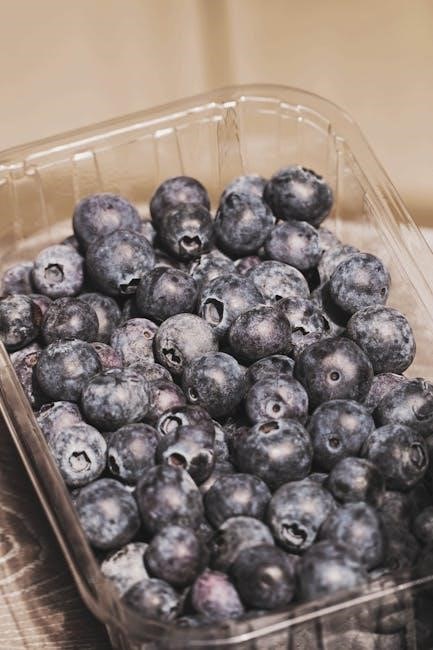
Key foods include fatty fish rich in omega-3 fatty acids, colorful fruits and vegetables packed with antioxidants, and healthy fats like olive oil. Berries, leafy greens, and nuts are frequently recommended. Avoiding processed foods, sugary drinks, and unhealthy fats is equally crucial, as these promote inflammation.
By focusing on an anti-inflammatory diet, individuals can potentially improve insulin sensitivity, regulate menstrual cycles, and reduce the severity of PCOS symptoms, enhancing their quality of life.
Foods to Embrace in a PCOS Diet
Prioritize lean proteins, healthy fats, and fiber-rich foods; these nutritional cornerstones stabilize blood sugar, reduce inflammation, and support hormonal balance for PCOS management.
Lean Protein Sources for Blood Sugar Control
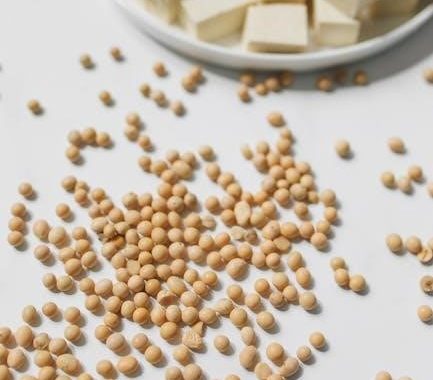
Incorporating adequate protein is paramount for individuals managing PCOS, primarily due to its significant impact on blood sugar regulation. Protein slows glucose absorption, preventing the sharp spikes and crashes that exacerbate insulin resistance – a core feature of PCOS. Excellent choices include skinless poultry like chicken and turkey, fish rich in omega-3 fatty acids such as salmon and tuna, and plant-based options like lentils, beans, and tofu.
A protein smoothie, as highlighted in recent discussions, can be a convenient way to boost protein intake and stabilize blood sugar levels. Aim for approximately 20-30 grams of protein per meal to promote satiety and support metabolic health. Remember to pair protein sources with complex carbohydrates and healthy fats for a balanced and sustained energy release, optimizing dietary benefits for PCOS symptom management.
Healthy Fats: Omega-3s & Monounsaturated Fats
Prioritizing healthy fats is crucial within a PCOS-focused diet, offering significant anti-inflammatory benefits and supporting hormonal balance. Omega-3 fatty acids, found abundantly in fatty fish like salmon, mackerel, and sardines, are particularly valuable for reducing inflammation and improving insulin sensitivity. Incorporate these into your diet at least twice weekly.
Monounsaturated fats, prevalent in avocados, olive oil, and nuts, also contribute to improved insulin function and cardiovascular health. These fats promote satiety, aiding in weight management – often a challenge for those with PCOS. Avoid trans fats and limit saturated fats, as they can worsen inflammation. Remember, fat is an essential macronutrient, but choosing the right types is key for optimal PCOS management.
Fiber-Rich Foods: Vegetables, Fruits & Whole Grains
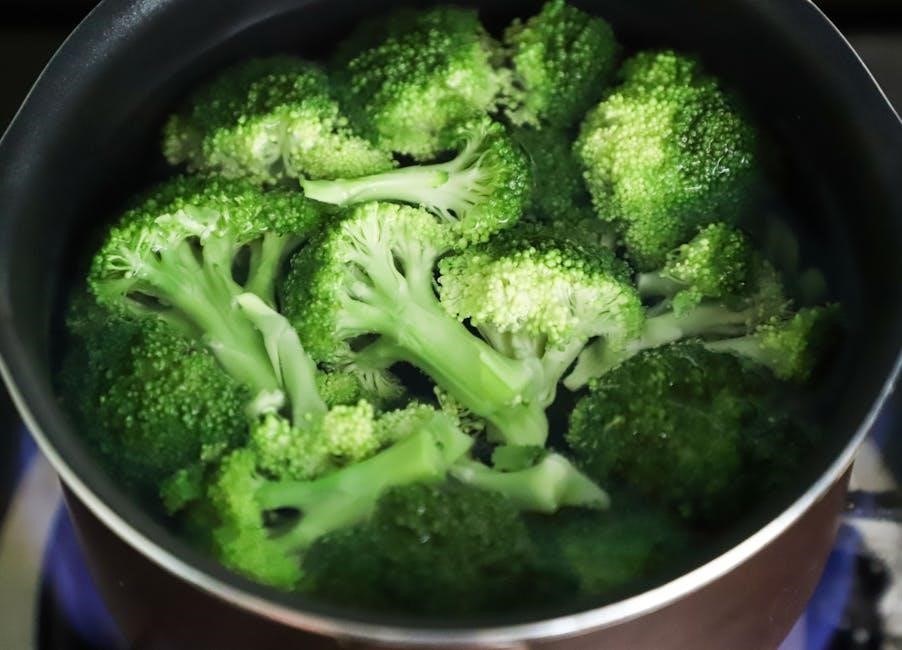
Increasing fiber intake is a cornerstone of a PCOS-friendly diet, directly impacting blood sugar control and insulin resistance. Non-starchy vegetables – like broccoli, spinach, and bell peppers – should form a substantial portion of each meal, providing essential nutrients with minimal impact on glucose levels. Fruits, particularly berries, offer fiber and antioxidants, but consume in moderation due to their natural sugar content.
Opt for whole grains – quinoa, brown rice, and oats – over refined carbohydrates. Fiber slows down glucose absorption, preventing spikes in insulin. This promotes satiety, aiding weight management. Aim for at least 25-35 grams of fiber daily to support hormonal balance and overall metabolic health within your PCOS management plan.

Foods to Limit or Avoid with PCOS
Minimizing intake of sugary drinks, refined carbs, and processed foods is vital; these exacerbate insulin resistance and inflammation, hindering PCOS management.
Sugary Drinks & Processed Sweets
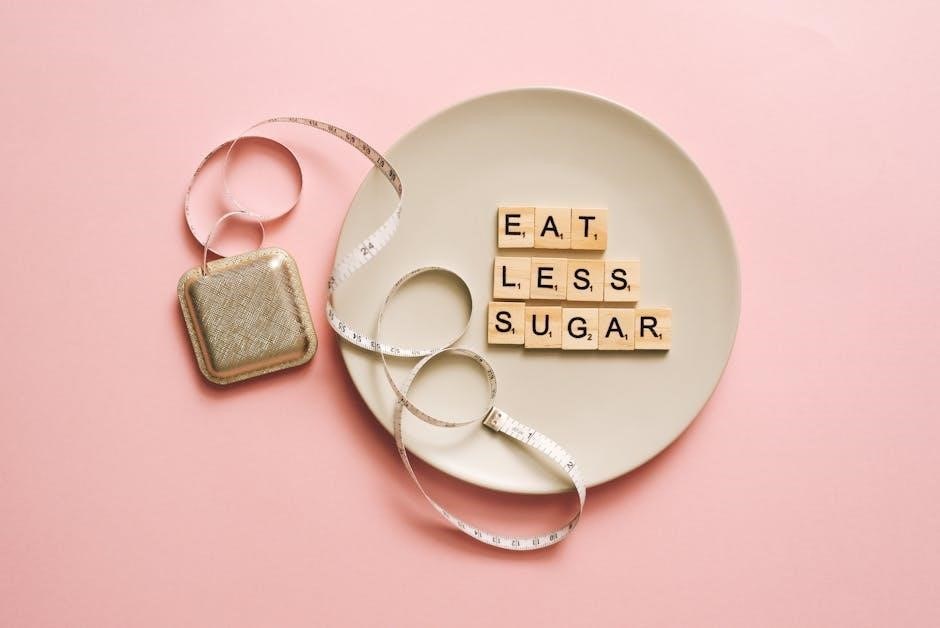
Eliminating or drastically reducing sugary drinks – sodas, juices, sweetened teas – is paramount for PCOS management. These beverages cause rapid spikes in blood sugar and insulin, worsening insulin resistance, a core feature of the syndrome. Processed sweets, including candies, cookies, and pastries, present a similar challenge, offering minimal nutritional value while contributing to inflammation and weight gain.
Focus instead on naturally sweet options in moderation, like fruits with a lower glycemic index. Be mindful of hidden sugars in seemingly healthy products like yogurt or granola bars. Reading food labels carefully is essential to identify and avoid added sugars. Prioritizing whole, unprocessed foods will significantly contribute to stabilizing blood sugar levels and reducing PCOS symptoms. A consistent approach to limiting these items is key.
Refined Carbohydrates: White Bread, Pasta & Rice
Refined carbohydrates, such as white bread, pasta, and white rice, are quickly digested, leading to rapid increases in blood glucose and insulin levels. This exacerbates insulin resistance, a common characteristic of Polycystic Ovary Syndrome (PCOS), and can contribute to weight gain and hormonal imbalances. These foods offer limited nutritional benefit, lacking the fiber and nutrients found in their whole-grain counterparts.
Opting for complex carbohydrates like quinoa, brown rice, and whole-wheat bread provides a slower, more sustained release of glucose, promoting better blood sugar control. Portion control is also vital, even with healthier carbohydrate choices. Prioritizing non-starchy vegetables as a carbohydrate source is a beneficial strategy for managing PCOS symptoms effectively.
Processed Foods & Unhealthy Fats
Highly processed foods, often laden with unhealthy fats, added sugars, and sodium, significantly contribute to inflammation – a key factor in PCOS development and symptom severity. Trans fats, found in many fried and packaged foods, are particularly detrimental, worsening insulin resistance and cardiovascular risk. Limiting intake of these foods is crucial for effective PCOS management.
Focus instead on incorporating sources of healthy fats, such as avocados, nuts, seeds, and olive oil, which possess anti-inflammatory properties. Reading food labels carefully to identify hidden sugars and unhealthy fats is essential. A whole-foods based diet, minimizing processed items, supports hormonal balance and overall well-being in individuals with PCOS.

Sample PCOS Meal Plan (PDF Resources)
Downloadable plans offer structured guidance, featuring breakfast, lunch, and dinner recipes designed to stabilize blood sugar and manage PCOS symptoms effectively.
Breakfast Ideas for Stable Blood Sugar
Starting the day with a blood-sugar-balancing breakfast is paramount for PCOS management. A protein smoothie, incorporating protein powder and healthy fats, provides sustained energy and minimizes glucose spikes. Consider options like eggs with spinach and whole-wheat toast, offering protein and fiber. Greek yogurt with berries and a sprinkle of nuts is another excellent choice, delivering protein, antioxidants, and healthy fats.
Oatmeal, prepared with water or unsweetened almond milk, and topped with berries and seeds, provides a slow-releasing carbohydrate source. Avoid sugary cereals, pastries, and fruit juices, as these can lead to insulin resistance and exacerbate PCOS symptoms. Prioritize whole, unprocessed foods to support hormonal balance and overall well-being. Many free PCOS diet PDFs detail these breakfast options with specific recipes and nutritional information.
Lunch & Dinner Recipes for PCOS
Constructing PCOS-friendly lunches and dinners centers around lean protein, non-starchy vegetables, and healthy fats. Grilled chicken or fish with a large salad dressed with olive oil and vinegar is a simple, effective option. Lentil soup provides plant-based protein and fiber, promoting satiety and stable blood sugar. Stir-fries with lean protein and plenty of vegetables, using minimal soy sauce, are also beneficial.
For dinner, consider baked salmon with roasted broccoli and quinoa. Ground turkey or chicken breast can be used in lettuce wraps or served with cauliflower rice. Many free PCOS diet PDFs offer detailed recipes, emphasizing portion control and ingredient selection. Avoid processed meats, sugary sauces, and large portions of refined carbohydrates to support hormonal balance and manage insulin resistance.
Snack Options to Curb Cravings
Managing cravings is vital with PCOS, and strategic snacking can prevent blood sugar spikes and subsequent crashes. A handful of almonds or walnuts provides healthy fats and protein, promoting fullness. Greek yogurt with berries offers protein and antioxidants, satisfying sweet cravings without refined sugar. Hard-boiled eggs are a convenient, protein-rich snack.
Vegetable sticks (carrots, celery) with hummus offer fiber and healthy fats. Small portions are key; aim for around 150-200 calories per snack. Many free PCOS diet plan PDFs include snack lists and portion guidelines. Avoid sugary snacks, processed foods, and excessive carbohydrates, as these can exacerbate insulin resistance and worsen symptoms. Protein smoothies, as mentioned, are also a good option.

Supplements to Consider (with Doctor’s Approval)
Certain supplements, like inositol, Vitamin D, and magnesium, may support PCOS management, but always consult a healthcare professional before starting any new regimen.
Inositol for Insulin Sensitivity

Inositol, often highlighted in PCOS diet plans, is a vitamin-like substance showing promise in improving insulin sensitivity, a key concern for many with PCOS. It essentially helps cells utilize insulin more effectively, potentially lowering blood sugar and androgen levels. Myo-inositol and D-chiro-inositol are the two most studied forms, often used in combination.
Research suggests inositol supplementation can contribute to more regular menstrual cycles and improved ovulation rates. While generally considered safe, it’s vital to discuss appropriate dosages with your doctor, as individual needs vary. Many free PCOS diet PDFs will mention inositol, but remember to verify information with a healthcare provider before self-treating. It’s not a replacement for a balanced diet and lifestyle, but a potential supportive element.
Vitamin D & PCOS
Vitamin D deficiency is surprisingly common among women with PCOS, and a growing body of research links low levels to insulin resistance, irregular periods, and increased androgen production. Supplementation, therefore, often features in comprehensive PCOS diet plans, including those available as free PDFs. Vitamin D plays a crucial role in insulin sensitivity and ovarian function.
Adequate Vitamin D levels may improve menstrual regularity and fertility outcomes. However, determining the correct dosage is essential; a blood test can reveal your current levels. While many free resources suggest supplementation, always consult your doctor before starting any new regimen. Dietary sources include fatty fish and fortified foods, but supplementation is often necessary to achieve optimal levels, especially given limited sun exposure.
Magnesium & its Role in PCOS Management
Magnesium deficiency is frequently observed in individuals with PCOS, potentially exacerbating insulin resistance and inflammation – key drivers of the condition. Consequently, increasing magnesium intake is often a cornerstone of PCOS-focused dietary plans, frequently detailed in downloadable PDF guides. This essential mineral supports healthy insulin function and may improve blood sugar control.
Magnesium also plays a role in reducing androgen levels and improving ovarian function. Dietary sources include leafy green vegetables, nuts, seeds, and dark chocolate. However, supplementation may be necessary to reach optimal levels. Before self-treating, consult a healthcare professional to determine the appropriate dosage, as excessive intake can cause digestive issues. Many free PCOS diet PDFs highlight magnesium-rich food choices.

Finding Free PCOS Diet Plan PDFs Online
Numerous websites offer downloadable PCOS diet plans in PDF format, but evaluating their credibility and the expertise behind them is absolutely essential.
Reliable Sources for Downloadable Plans
Seeking trustworthy PCOS diet plans requires careful source evaluation. Reputable healthcare organizations and registered dietitians often provide free, evidence-based PDFs. Look for plans originating from university hospitals, endocrinology clinics, or well-known women’s health institutions. The American Diabetes Association and the Academy of Nutrition and Dietetics may offer related resources helpful for managing insulin resistance, a common PCOS feature.
Beware of plans promoted by individuals without proper credentials or those making unrealistic promises. Always prioritize resources that emphasize a balanced, sustainable approach rather than restrictive fad diets. Check for disclaimers stating the plan isn’t a substitute for medical advice and encourages consultation with a healthcare professional. Government health websites, like the National Institutes of Health (NIH), can also direct you to reliable information and potentially downloadable guides.
Evaluating the Quality of Free Resources
When downloading PCOS diet plans, critical assessment is key. Scrutinize the author’s credentials – are they a registered dietitian or medical professional? Look for plans grounded in scientific evidence, referencing studies or established guidelines. Beware of overly restrictive diets promising rapid weight loss, as these are often unsustainable and potentially harmful.
Assess whether the plan addresses the multifaceted nature of PCOS, including insulin resistance, inflammation, and hormonal imbalances. A quality resource will offer meal ideas, shopping lists, and guidance on portion control. Check for a disclaimer emphasizing the importance of personalized medical advice. If a plan feels too good to be true, or lacks transparency regarding its sources, proceed with caution and consult your doctor.